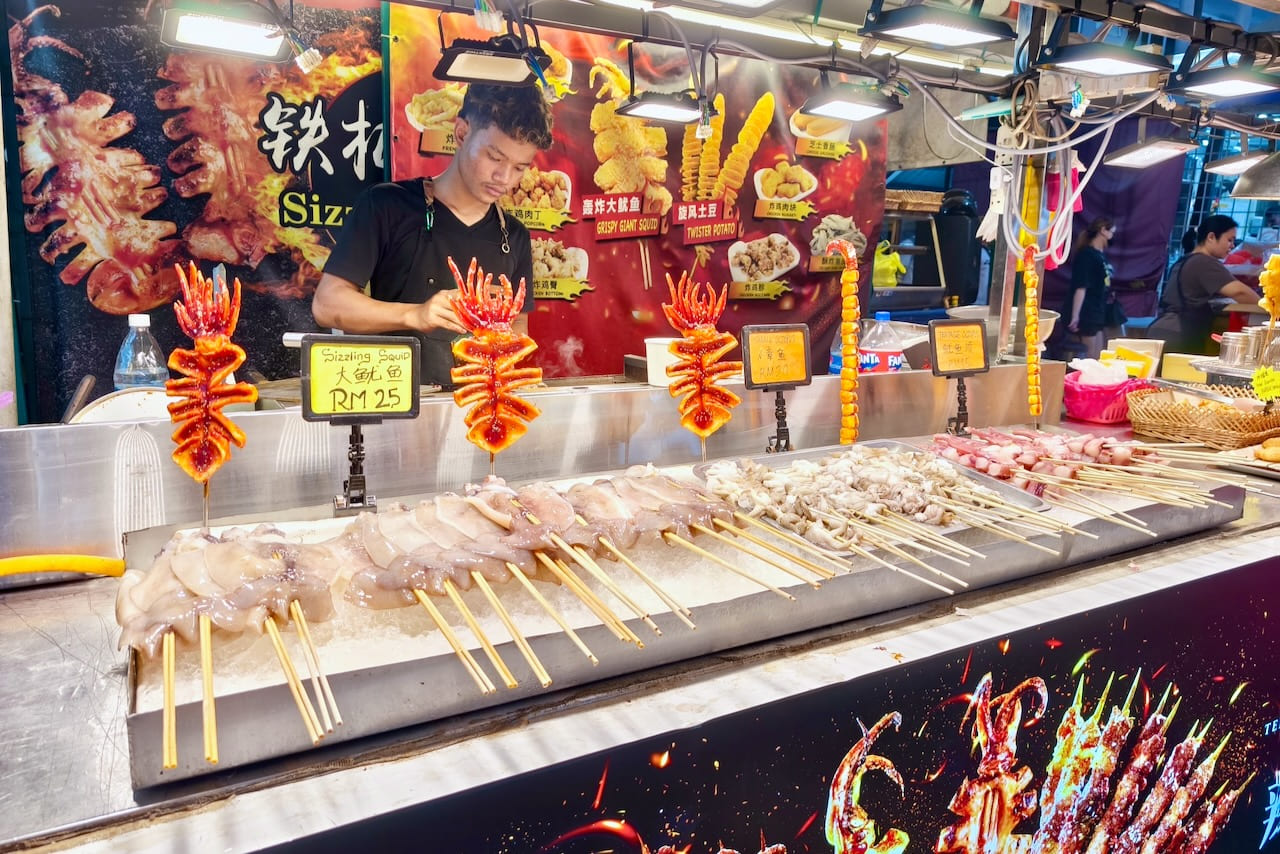
If there’s one thing that will completely win you over in Southeast Asia, it’s the extensive variety of Malaysia street food.
Honestly! Malaysia has one of the best food scenes in the region, and that’s not an exaggeration. The mix of Malay, Chinese, Mediterranean, and Indian influences creates something incredibly unique. Every dish feels layered, rich, and full of flavour.
But here’s the thing. It’s not just about eating. It’s about experiencing Malaysia food culture, from roadside stalls to buzzing night markets, to your favourite hidden Malaysia food restaurant you stumble upon by accident.
So if you’re wondering what to eat in Malaysia, this is your ultimate guide covering drinks, mains, desserts, and snacks!
Let’s get into it.
Malaysia Ultimate Food List Guide: 10 Must-Try Dishes (Mains)
If you’re building your own Malaysia food list, start here. These are some of the most loved and iconic dishes you’ll find across the country.
1. Nasi Lemak
Let’s start with the obvious.
Malaysia food nasi lemak is the national dish. It directly translates to “fatty rice,” in other words, fried rice.
Fragrant coconut rice, sambal, crispy anchovies, peanuts, egg, and often crispy fried chicken. There are a bunch of variations on this dish as well.
It’s simple. But somehow, it’s also perfect.
We tried nasi lemak for the first time at Anak Baba on the Bib Gourmand Guide.

2. Popiah Kulit Telur
Think spring roll and a burrito had a baby, but better!
This version is wrapped in egg, filled with crunchy vegetables, and packed with flavour. You’ll find it easily along any busy malaysia food street.
3. Char Kway Teow (Chew Kway Noodles)
Smoky, stir-fried noodles traditionally made with with prawns, egg, and Chinese sausage.
Cooked over high heat, this dish has that signature “wok hei” flavour you’ll keep craving.
Now if you don’t like praws, there are a TON of variations of chew kway noodles. I prefer either the chicken or beef version, which is always super tender and juicy!
4. Laksa
Rich, spicy, and deeply comforting.
Laksa is a flavour-packed noodle soup with a creamy coconut or tangy broth, depending on the style. It’s usually served with noodles, herbs, and toppings like tofu, chicken, or seafood.
Every bowl is slightly different, but always satisfying. If you’re trying malaysia street food, this is a must.

5. Roti Canai
Flaky, buttery flatbread served with curry for dipping.
Perfect for breakfast. Or lunch. Or honestly, anytime.
I didn’t realize that I would actually love such a spiced, savory meal for breakfast, but here we are. And you HAVE to try it alongside a bit of teh tarik!
6. Satay
Grilled chicken or beef skewers served with peanut sauce.
Simple, but incredibly addictive. The meat is usually marinated, grilled over charcoal, and served with a rich, slightly sweet peanut sauce that you’ll want to dip everything into.
7. Hokkien Mee
Thick noodles cooked in a dark, savoury sauce.
Rich, slightly sweet, and deeply satisfying.

8. Banana Leaf Rice
Rice served with a variety of curries and sides on a banana leaf.
Messy? Yes. Worth it? Also yes. It’s typically eaten with your hands, and the combination of curries, vegetables, and condiments all mixing into the rice makes every bite slightly different and full of flavour.
9. Fried Rice (Nasi Goreng)
A staple across Southeast Asia, but Malaysia does it particularly well.
Just keep in mind: it often includes egg or seafood-based sauces – for those of you who are vegetarian or vegan.
10. Mee Goreng
Spicy fried noodles with a mix of flavours and textures.
Unlike char kway teow or other stir-fried noodles, mee goreng is typically sweeter, spicier, and more sauce-heavy, with a bold, tangy flavour that really coats every strand.
Malaysia Must-Try Desserts List
Now, let’s talk about dessert, because honestly, skipping this part of malaysia street food would be a mistake.
Malaysia has some of the most underrated sweets in Southeast Asia. They’re often simple, but packed with flavour, texture, and nostalgia.

- Kunafa: Crispy, cheesy, sweet, and extremely indulgent. Best eaten warm when the cheese is still stretchy.
- Egg tarts: Buttery, flaky pastry with a silky custard centre. A perfect bite-sized treat with coffee or tea.
- Cendol: Shaved ice, coconut milk, and palm sugar syrup with green jelly noodles. Refreshing and perfect in the heat.
- Apam balik: A thick, fluffy pancake filled with crushed peanuts, sugar, and sometimes corn. Crispy on the edges, soft inside.
- Ais kacang (ABC): A mountain of shaved ice topped with red beans, sweet corn, jelly, and syrup. Strange combination, but it works.
- Ondeh-ondeh: Small green glutinous rice balls filled with molten palm sugar and coated in coconut. One bite is a sweet explosion.
- Pisang goreng: Fried banana fritters that are crispy on the outside and soft inside. Best eaten hot from the stall.
- Tau foo fah: Silky tofu pudding served warm or cold with syrup. Light, smooth, and surprisingly comforting.
- Bubur cha cha: A colourful coconut milk dessert with sweet potato, yam, and tapioca pearls. Creamy and filling in the best way.
- Durian (for the brave): The infamous “king of fruits.” Creamy, strong-smelling, and unforgettable whether you love it or not.
Malaysia Ultimate Drinks List
Malaysia doesn’t play around when it comes to drinks either.

- Bandung lychee (my new favorite drink): Sweet, floral, and super refreshing. It’s a rose-flavoured milk drink (often bright pink) sometimes upgraded with lychee for an extra fruity twist. Can be hot or cold.
- Kopi tarik: Strong Malaysian coffee “pulled” back and forth to create a creamy, slightly frothy texture. Bold, sweet, and perfect for a caffeine hit.
- Teh tarik: The national tea. Literally “pulled tea,” it’s smooth, milky, and poured in a way that creates its signature foam. Comforting and addictive.
- Ais krem soda: A nostalgic mix of soda, syrup, and a scoop of ice cream. Weirdly simple, but it hits perfectly when you’re overheating after walking all day.
- Fresh coconut water: Straight from the coconut, chilled and naturally hydrating. One of the best ways to cool down after exploring street markets.
- Milo drinks: Malaysia takes Milo very seriously. You’ll find it iced, hot, extra thick, or even as “Milo Dinosaur” with powdered Milo on top. Always rich, chocolatey, and filling.
- Sirap limau: A simple lime cordial drink that’s sweet, citrusy, and incredibly refreshing in the humidity.
- Air mata kucing (longan drink): A herbal-style sweet drink made with dried longan, rock sugar, and sometimes winter melon. Lightly sweet and very cooling.
- Barley water (air barli): Mild, slightly nutty, and often served cold. Locals drink it for its cooling properties, especially in hot weather.
Malaysia Ultimate Snacks List
Snacks in Malaysia are everywhere, and honestly, some of the best malaysia street food moments come from just grabbing random bites while walking through markets or food streets.

- Curry puffs: Flaky pastry filled with curried potato, chicken, or egg. Crispy outside, warm and comforting inside.
- Keropok lekor: Chewy fish-based snack, usually deep-fried and served with sweet chilli sauce.
- Kuih (traditional snacks): Colourful bite-sized treats made from rice flour, coconut, and palm sugar. Soft, sweet, and slightly chewy.
- Samosas: Crispy, triangular pastries filled with spiced potato or meat.
- Otak-otak: Spiced fish paste wrapped in banana leaf and grilled for a smoky, fragrant flavour.
- Roti john: Thick, savoury omelette sandwich with meat and sauce, cooked on a hot griddle.
- Dried meat slices (bak kwa / dendeng): Thin, sweet-savoury grilled meat sheets that are slightly sticky, smoky, and incredibly addictive. You’ll often see them sliced fresh in markets.
- Corn on the cob: Simple but popular street snack, usually brushed with butter, mayo, or chilli seasoning.
- Kerepek (local chips)L: Crunchy snacks made from banana, cassava, or yam. Perfect for grazing.
Is all Malaysian food halal?
Yes, much of Malaysian food is halal, especially traditional Malay cuisine like nasi lemak, satay (from halal-certified stalls), and many curries.
However, because Malaysia also has strong Chinese and Indian food influences, not everything is automatically halal. Some dishes may contain pork or non-halal ingredients like lard or certain sauces.
The good news is that halal options are very easy to find. Many restaurants and street stalls are clearly labelled, and you can usually just check signage or ask if you’re unsure.

Malaysia Food Vegetarian Options: Are There Any?
So, is Malaysia vegetarian-friendly?
Short answer: yes, but with a few things to keep in mind.
On the one hand, there are plenty of vegetable-based dishes. You’ll find tofu, stir-fried greens, noodle dishes, and rice meals that can be made vegetarian (if they aren’t vegetable-based already).
However, this is where it gets tricky. Many dishes use fish sauce, oyster sauce, or shrimp paste, even when the main ingredients look vegetarian. Fried rice, for example, often includes egg or hidden fish sauces.
So, what should you do?
If you’re flexible, you’ll have lots of options. But if you’re strictly vegan, you may need to ask questions or look for dedicated vegetarian spots/restaurants.
Some safer options include:
- Vegetable fried noodles (ask for no egg/sauce adjustments)
- Tofu dishes
- Roti canai (without ghee if vegan)
- Indian vegetarian meals (often clearly labelled)
Alternatively, you can simply talk with the vendors and ask for adjustments. Malaysia is surprisingly fluent in English and we never came across anyone who wasn’t able to speak it (even in remote Perhentian Kecil).
So in short, it’s doable. You just need to be a bit mindful and please do not have ridiculous expectations for street food vendors.
Malaysia Food Prices
Let’s talk about cost, because this one surprises people who aren’t from America, Europe, Australia, etc.
Malaysia is often labelled as “cheap”, but that depends on what you’re comparing it to.
If you’re coming from Western countries like those mentioned above, then yes, it’s affordable. However, compared to some other Southeast Asian countries or countries like South Africa, it’s not always the cheapest.
Street food can be very budget-friendly. Especially if you eat where locals eat.
But, and this is important, prices go up quickly in:
- Tourist areas
- Night markets
- Trendy cafes or restaurants
- Remote locations
For example, eating Malaysia food street style in Kuala Lumpur can be cheap. But the same dish in a popular area might cost significantly more.
And then there are places like the Perhentian Islands. Beautiful, yes. Cheap food? Not really. Even basic meals can start around $5.
So overall, your budget really depends on where and how you eat.

FAQ About Malaysia Food
Which food is famous in Malaysia?
Nasi lemak is by far the most famous dish. However, satay, laksa, and char kway teow are also incredibly popular.
What is traditional Malay food?
Traditional Malay food includes dishes like nasi lemak, rendang, satay, and various curries. These meals often combine rice, spices, and rich sauces.
What is Malaysia’s national food?
Nasi lemak is widely considered Malaysia’s national dish.
Is Malaysian street food safe to eat?
Yes, generally it is very safe, especially at busy stalls with high turnover. In fact, eating where locals eat is often the safest option because food is cooked fresh and constantly.
Is Malaysian food spicy?
Some dishes can be spicy, but not everything is. You can usually ask for “less spicy” or choose milder options like nasi lemak, roti canai, or egg-based dishes. I did find that, especially in places where a lot of foreigners eat, the spice is already toned-down.
What is the cheapest food to eat in Malaysia?
Street food is the cheapest option. Dishes like nasi lemak, roti canai, and noodles from hawker stalls are usually very budget-friendly compared to restaurants.
Can vegetarians eat easily in Malaysia?
Yes, but with some caution. There are many vegetarian-friendly dishes, especially Indian-influenced meals. However, some dishes may contain hidden ingredients like fish sauce or oyster sauce.
What time do food stalls open in Malaysia?
It depends. Morning markets open early (around 6–10am), while night markets and street food stalls usually operate from late afternoon into the evening.
Final Thoughts: Malaysia Street Food List
Malaysia is one of those places where every meal feels like a highlight. One minute you’re grabbing something quick from a street stall, and the next you’re sitting down for a full feast you didn’t plan.
That’s the magic of it.
So if you’re building your own Malaysia food list, don’t overthink it. Try everything. Wander more. Eat where it smells good. And don’t be afraid to step slightly off the main path.
If you’ve been to Malaysia, I’d love to know, what was the one dish you can’t stop thinking about?
And if you’re planning your trip, save this guide, because trust me, you’re going to need it!
Leave a Reply